Ultrasonic Inspection of Welds: What Quality Managers Should Know

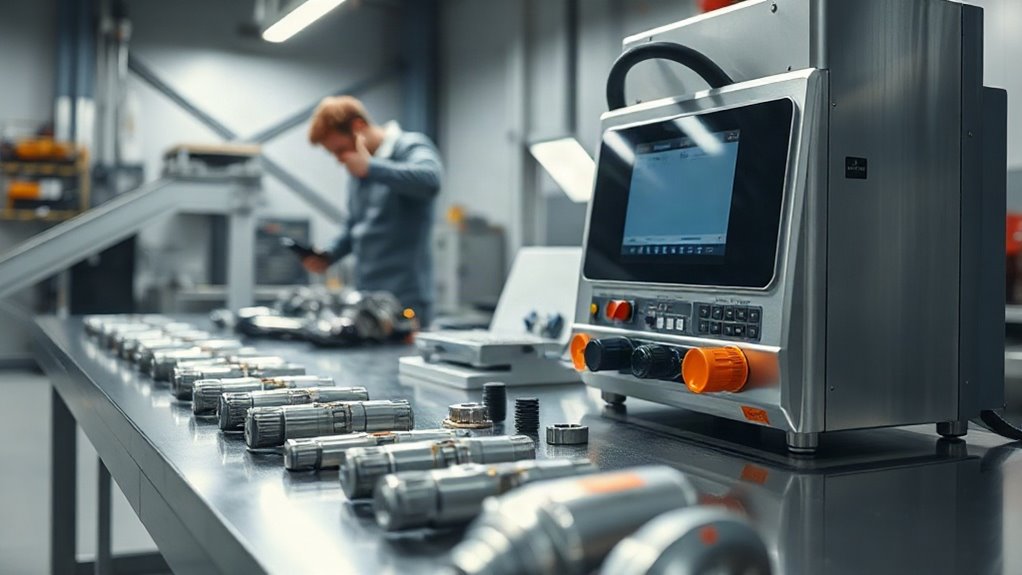
A water tank can make UT more controlled. The probe moves on set paths. The part sits in a known place. This can cut change from hand force. Yet the tank is only one part. Good fixtures and clear scan steps still matter.
This guide looks at the job in plain terms. It is written for repair engineers in new test lines. The aim is to find flaws with less doubt. No test should be picked by name alone. The part and flaw should lead the choice.
A useful place to start is the real test need. Teams can review immersion ultrasonic testing as one part of that plan. The next step is to match the method to the part. It should also fit the shop flow and work rule.
Brief Overview
- Start with the part, flaw, test zone, and work rule.
- Keep setup checks short, clear, and easy to repeat.
- Plan access, part move, and staff tasks before the test.
- Tie each test record to the right part and job.
- Use auto steps only when they solve a real shop need.
Know How the Water Path Works
Daily use should feel clear. Load the part in one known way. Check the tank and probe. Run the base line check. Start the scan plan. Review the data. Save the result with the part ID. A simple flow can cut shift to shift change.
Set clear roles before the job. One person may run the test. Another may make the final pass call. A third may own the line stop. The exact split can vary. What matters is that each key call has an owner. This point is worth a check in new test lines. It can help the team find flaws with less doubt.
Hold the Part in One Known Place
Water gives sound a path to the part. The probe can stay clear of the top face. This cuts hand force from the test. Yet the water must stay clean. Air bubbles can harm the sound path. Wave on the top can do the same. A calm tank helps the scan stay stable.
The best work flow is easy to teach. Each step should have one clear aim. Staff should know when to stop. They should also know who can make a test call. Short check lists can help. They are most useful when they match the real shop flow. This point is worth a check in new test lines. It can help the team find flaws with less doubt.
Plan the Probe Move
The fixture must hold the part in one place. It should not block the sound beam. It should also make load and unload easy. The team should think about drain time. It should also check rust risk. A good fixture saves time on each test run.
Cost is more than the buy price. Think about staff time and line stops. Add test media and spare parts. Add care and service work too. False calls and repeat work also cost money. A full view gives a better buy choice. This point is worth a check in new test lines. It can help the team find flaws with less doubt.
Set a Clear Reference Check
The probe move sets the scan cover. Each scan line needs the right gap. The probe must stay at the set water path. Fast moves can hurt data if the step is too wide. Slow moves can hurt line rate. The best path finds a sound balance.
Training should use real parts and real faults. Staff need more than screen steps. They should know why the base line check matters. They should know common signs of a bad setup. This makes fault find work much faster. This point is worth a check in new test lines. It can help the team find flaws with less doubt. A wider plan may also include testing of welds when that fits the job. The same rule still applies. Match the https://mpi-testing-guide.quillnesty.com/posts/a-practical-guide-to-ultrasonic-testing-services-for-fabrication-shops test to the part and flaw.
Keep the Water and Scan Stable
A known test part or block sets the base. It can help set range and gain. It can also check each test channel. The team should use the same check at set times. Saved settings help, but they still need review. A known base makes trend checks more useful.
Set clear roles before the job. One person may run the test. Another may make the final pass call. A third may own the line stop. The exact split can vary. What matters is that each key call has an owner. This point is worth a check in new test lines. It can help the team find flaws with less doubt.
Fit the Tank to the Work
Water heat can change during a long shift. Dirt can build up too. Pumps and filters need care. The team should set simple tank checks. It should also watch for leaks and trapped air. Small daily steps can keep the sound path more steady.
The best work flow is easy to teach. Each step should have one clear aim. Staff should know when to stop. They should also know who can make a test call. Short check lists can help. They are most useful when they match the real shop flow. This point is worth a check in new test lines. It can help the team find flaws with less doubt.
Make the Test Easy to Run Each Day
Tank size must fit the largest part. Axis move must fit the scan area. The load tool must handle the part mass. The operator needs safe reach too. These points should be set before the tank is built. Late changes can cost more and take more time.
Cost is more than the buy price. Think about staff time and line stops. Add test media and spare parts. Add care and service work too. False calls and repeat work also cost money. A full view gives a better buy choice. This point is worth a check in new test lines. It can help the team find flaws with less doubt.
Simple Planning Steps for New Test Lines
Write a one page job note first. Put the part range at the top. Add the flaw to find and test zone. Name the work rule. Add the line rate if it matters. List any hard limits on space or access. This note keeps talks on the same facts.
Split needs from nice to have features. A need is part of the test goal. A nice to have item may save time or add ease. Keep the two lists apart. This helps cost review. It also helps each supplier quote the same core job.
Set the sign off test before the work starts. Use real parts where you can. Check scan cover, tool setup, part move, and records. Let shop staff run the steps too. A demo only has value when the same flow can work each day.
Ways to Keep Daily Test Work Clear
Frequently Asked Questions
What should a team define before an NDT job starts?
Name the part, metal, flaw, test zone, work rule, access, and due date. These facts guide the test choice. They also help the team plan tools and staff. For new test lines, check the final job rule before work starts.
When can auto test steps help?
They can help when many parts need the same scan. Auto move can hold speed and path. It can also save data in a set way. The test method must still be sound. For new test lines, check the final job rule before work starts.
Should a buyer pick the machine before the test plan?
It is better to set the test need first. Define the flaw, part, scan zone, and line goal. Then choose a machine that can do that job. For new test lines, check the final job rule before work starts.
What should teams compare in NDT service offers?
Compare method fit, staff skill, tool scope, work time, records, travel, and items left out. Use the same job scope for each offer. For new test lines, check the final job rule before work starts.
Can one NDT method find every flaw?
No. Each method has strengths and limits. Some work best on top cracks. Others can find flaws deep in a part. Metal and shape also matter. For new test lines, check the final job rule before work starts.
Summarizing
A good plan for immersion ultrasonic testing starts with the part and flaw. It then sets the test zone and work rule. The team should keep access, setup checks, part move, and records in view. Short steps make the work easier to teach. They also make it easier to spot drift or missed work.
For new test lines, keep the next step simple. Review a real part and a real job need. Set what must be found. Then pick the method, tool, or service that can do that work. A clear test flow can support sound calls without needless complexity.